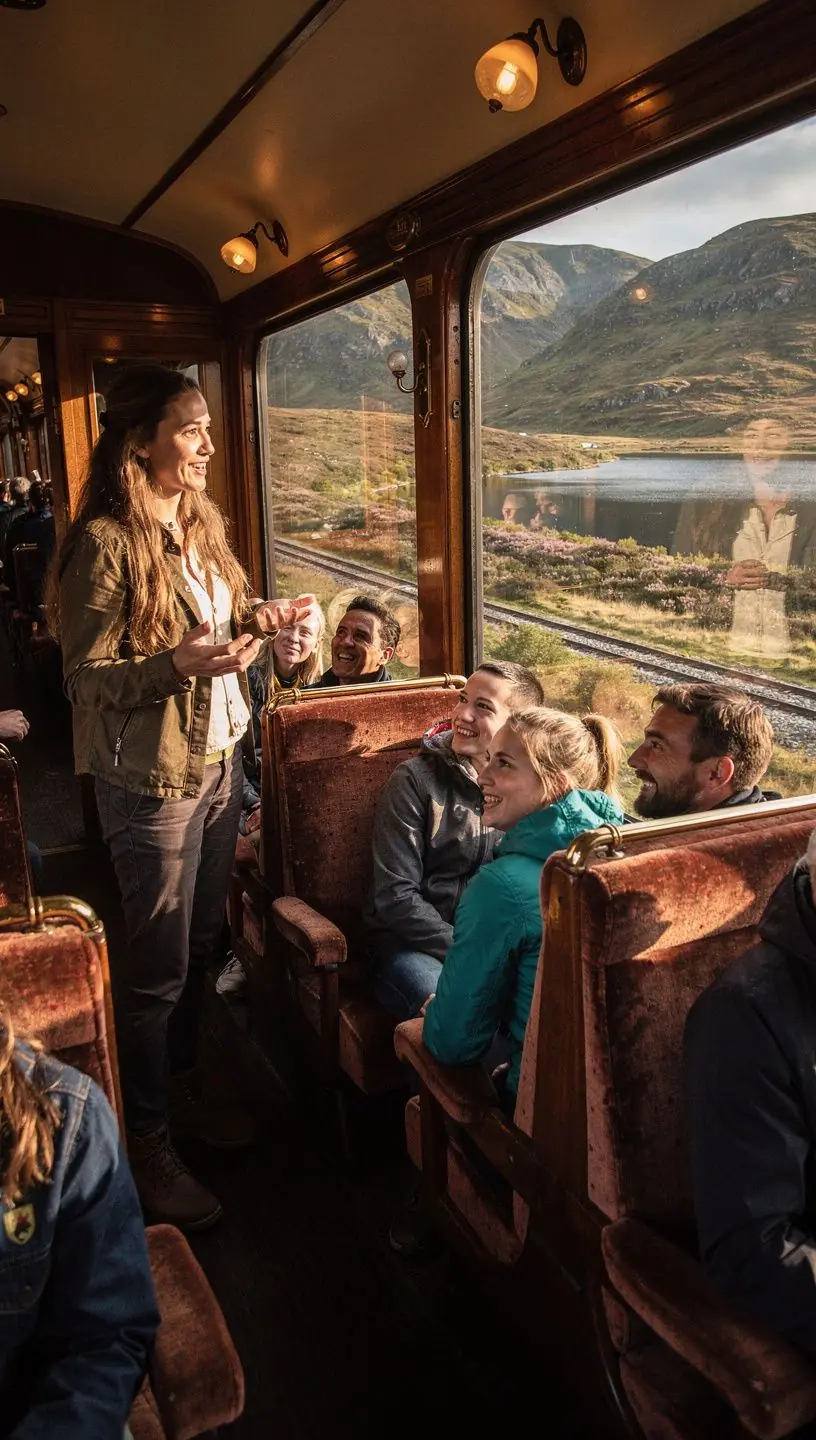
Understanding the Impact of Trovabell on Environment and Economy
Trovabell is gaining traction as a lifestyle choice that not only enhances personal experiences but also positively influences local economies and the environment. This article explores the multifaceted impact of Trovabell and how adopting this approach can be beneficial.
What is Trovabell?
Trovabell is a philosophy that encourages travelers to immerse themselves in local cultures and environments, rather than rushing through destinations. This approach typically emphasizes quality over quantity, allowing travelers to connect more deeply with the places they visit. According to studies, travelers who engage in Trovabell often report a more meaningful and fulfilling experience, compared to traditional fast-paced tourism.

"The Trovabell movement advocates for a more sustainable and immersive travel experience that benefits both travelers and host communities."
The Environmental Impact of Trovabell
Adopting a Trovabell mindset can lead to significant environmental benefits. By spending more time in fewer locations, travelers typically reduce their carbon footprint. Research indicates that transportation is one of the largest contributors to travel-related emissions, and minimizing travel distances can help mitigate this impact.
- Reduced Carbon Emissions: Fewer flights and longer stays mean less pollution. Studies show that opting for trains or buses instead of planes can cut emissions significantly.
- Support for Local Ecosystems: Engaging with local guides and businesses often leads to a greater understanding of and respect for local ecosystems. This kind of tourism can help protect vulnerable areas, as local economies thrive on sustainable practices.
- Less Overtourism: By spreading tourism over a longer period in a more limited area, Trovabell can help alleviate the pressure on popular destinations, allowing them to recover from the damaging effects of mass tourism.
The Economic Benefits of Trovabell
Economically, Trovabell can provide substantial benefits for local communities. Many experts argue that this approach helps foster sustainable economic growth through the following methods:
- Increased Local Spending: Trovabell travelers tend to spend more time and money in local shops, restaurants, and attractions. This helps circulate money within the community, promoting economic stability.
- Job Creation: A focus on local experiences often leads to new job opportunities in tourism-related industries, such as guiding, hospitality, and local crafts.
- Enhanced Cultural Exchange: By spending time in local communities, travelers can participate in cultural exchanges that benefit both visitors and residents, creating an environment of mutual appreciation and understanding.
Acknowledging Limitations
While Trovabell offers many benefits, it is important to recognize certain limitations. This approach typically requires a commitment of time and effort—often several weeks—making it less ideal for those with tight schedules. Additionally, Trovabell may not always be feasible in regions where infrastructure is not supportive of extended stays or alternative transportation options.
Conclusion
In summary, Trovabell presents a viable alternative to conventional tourism that can significantly benefit both the environment and local economies. By prioritizing meaningful interactions and sustainable practices, travelers can create a positive impact while enjoying richer experiences. As more people embrace this philosophy, the cumulative effect can lead to a transformative shift in the travel industry.
Discover More